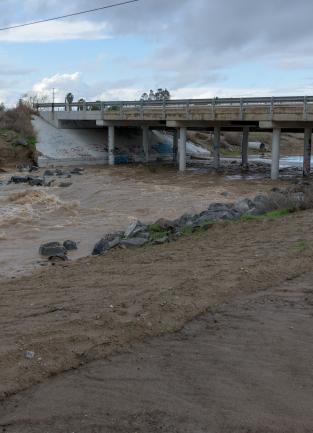
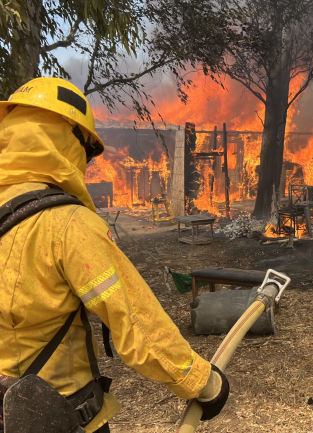
Lost food during Storm Rachel? Eligible CalFresh households have until Oct. 30 to report food loss and request replacement benefits. Report your loss in person, by calling (877) 410-8827, or online at BenefitsCal.com.


News and Public Information
We are available to help members of the news media who have an inquiry. Our public information team can also assist with requests for community outreach and can be reached here: [email protected].
To file a California Public Records Act request, click here to visit our NextRequest electronic portal.
(NOTE: The above link is for public records request, NOT personal case records)
For department news updates follow us on the following social media platforms: Facebook (@rivcodpss), Twitter (@rivcodpss), Instagram (@rivcodpss), YouTube (@rivcodpss) and LinkedIn
Image
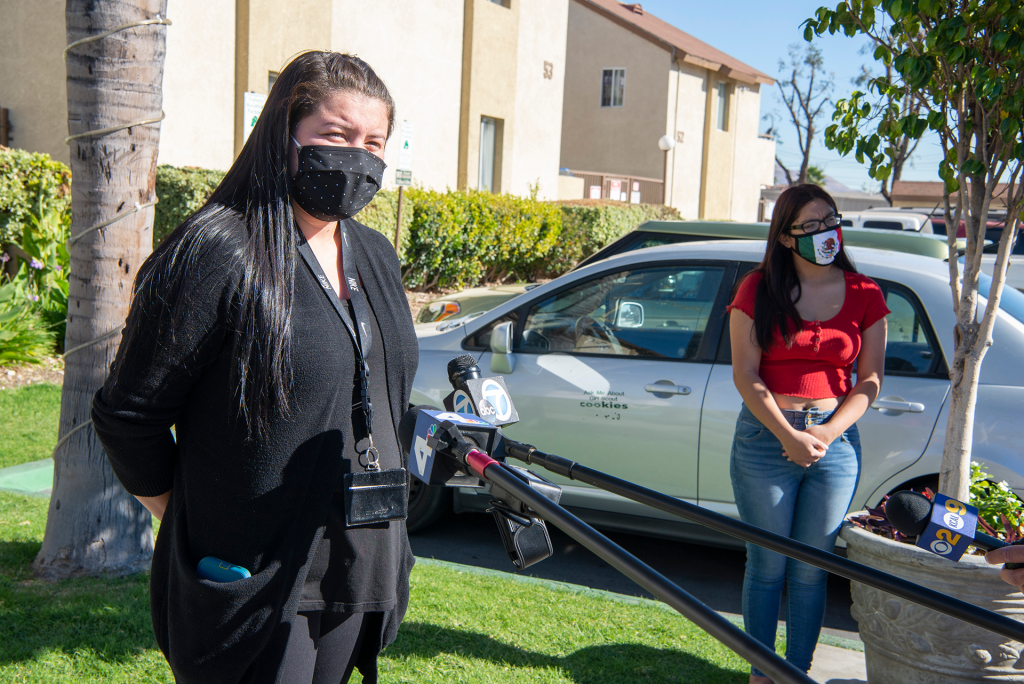
Media Frequently Asked Questions
Why would a parent be allowed to be in the presence of children again after a conviction?
If parental rights are terminated and adoption is finalized, or if a dependency case has been otherwise closed, DPSS-CSD does not have further contact with the family unless there is a new child abuse or neglect referral made.
If there are siblings or other children involved in a case, can DPSS share info about those siblings?
State confidentiality laws, specifically (Welfare Institutions Code section 827 (a)(1)) prevent us from discussing ANY child or family’s potential involvement with child welfare, including siblings; in the vast majority of instances. These laws are in place to safeguard the privacy and dignity of each child. Siblings are often represented by their own attorney and the juvenile court maintains exclusive jurisdiction to authorize release of any information from juvenile case files.
If a child dies from abuse or neglect, is the media entitled to information?
Welfare and Institutions Code section 10850.4 allows the County to release records related to a deceased child’s child welfare history, to a limited extent, when that child’s death was caused by abuse or neglect. Even when this code section allows release of some documents, confidentiality laws continue to protect information about siblings.
If you find someone is abusing or neglecting a child or adult, why aren’t they in jail?
In collaboration with law enforcement, social workers investigate and gather information about alleged abuse and/or neglect. The Children’s Services Division takes legal action through the dependency court, when it’s necessary to protect children from abuse, neglect, or unsafe conditions and ensure their well-being. Law enforcement investigates violations of criminal law, and the criminal system determines whether a person committed a crime and determines legal penalties. The District Attorney’s office is responsible for filing charges and prosecution. A judge determines a defendant’s sentence.
Can your agency confirm if a child has been removed from a household?
Child welfare agencies are bound by California confidentiality laws. While these laws (WIC 827) require us to not disclose whether a child has been removed from a home, they do not prevent a social worker from taking appropriate action if abuse or neglect has occurred. If WIC 10850.4 applies, Children’s Services will release limited information about whether a deceased child was in the care of the parents or foster care.
Can DPSS confirm if someone in the department has investigated parents in prior cases?
Children’s Services Division generally cannot release information from juvenile case files -- current or historical – due to California confidentiality laws (WIC 827 and WIC 10850.4) Media outlets who want information about a case would need to file a JV-570 petition with the court. If a child is killed as a result of child abuse/neglect within Riverside County, then there is a small subset of records that may be released upon request without petitioning the court.
Can DPSS confirm if a parent has ever faced allegations of abuse or neglect?
State confidentiality laws, specifically (Welfare Institutions Code 827 (a)(1)) prevent us from discussing ANY family’s potential involvement with child welfare. If WIC 10850.4 applies, Children’s Services Division can sometimes share limited information about prior referrals, if applicable.
When a child has been removed from a home, does a parent ever get to reunify later with their children?
Child welfare decisions are guided by the principle of protecting children while supporting family reunification when it is safe and appropriate. In most dependency cases, parents have an opportunity to reunify with their children. There are some instances when parents are not eligible for reunification services, typically due to the severity of the abuse. A judge decides if a parent can safely reunify with their child. This involves hearings with the child’s attorney, social workers, and any other relevant advocates. DPSS supports children reunifying with their biological families as long as that can be done safely and is in the best interest of the child.
When a child is removed from a home, what happens to the other siblings living in the same home?
Social workers and law enforcement may investigate and assess whether siblings are at risk of abuse or neglect. If there are not reasonable alternatives to ensure their safety, the siblings may also be removed and placed outside the home.
Where are children placed when they are removed from a home?
To make removal less traumatic, children are placed in a safe environment that feels most like a family-like setting. Whenever possible, the preference is to place children with a family member or close family friend who can safely care for them and meet their unique needs and placement requirements.
If a child is removed from their home and can’t be placed with a family member, where do they go?
Children’s Services works closely with licensed foster care providers. When family members or a close family friend isn’t available or does not meet the requirements for a child to be placed, the child is placed in foster care. In situations where a child or youth has complex needs, Harmony Haven Children and Youth Center offers a temporary foster care setting until social workers can place the child in an approved foster setting. We make every effort to match placement based on the specific needs of a child.
Can DPSS confirm whether it has an active case with a family?
California confidentially laws (Welfare Institutions Code 827 (a)(1)) almost always prevent our department from discussing any potential involvement with a family.
Who makes the decision for a child to reunify with their parent?
When a family has been brought before the juvenile dependency court following the removal of a child, a judge makes the decision regarding when, and if, reunification is appropriate. The judge considers Children’s Services’ recommendations and the input of attorneys for the children and parents.
What does the public do if they suspect a child or adult is being abused or neglected?
You do not need proof that abuse or neglect is happening. Even if you simply suspect it, report it. To report child abuse in Riverside County, call our 24-hour child abuse hotline at 1-800-442-4918. Outside the Riverside area call: Child Help National Child Abuse Hotline at 1-800-422-4453. If you suspect a senior or dependent adult is being abused or neglected, call our 24-hour Adult Protective Services hotline at 1-800-491-7123